Installing Roofs for Families Coping with ALS: Creating Safe Homes For The Disabled
When a family member receives an ALS diagnosis, the entire household faces a profound adjustment period. Amyotrophic lateral sclerosis progressively affects mobility, strength, and independence, requiring families to rethink every aspect of their living environment. While much attention focuses on interior modifications like wheelchair ramps and accessible bathrooms, the condition of your home’s roof plays an equally critical role in creating a safe, stable environment for someone living with ALS. A compromised roof can lead to leaks, mold growth, temperature fluctuations, and structural concerns that directly impact the health and comfort of vulnerable individuals who may spend considerable time indoors.
For Passaic families navigating this challenging journey, partnering with experienced professionals becomes essential. The team at https://passaicroofingcontractors.com/ understands that roofing work for households with disabled family members requires special consideration, careful planning, and a commitment to minimizing disruption during an already difficult time.
People living with ALS often develop heightened sensitivity to environmental factors that healthy individuals might easily tolerate. Temperature regulation becomes increasingly difficult as the disease progresses, making consistent indoor climate control absolutely vital. A roof with inadequate insulation or hidden leaks can create temperature fluctuations that cause significant discomfort and may even exacerbate symptoms.
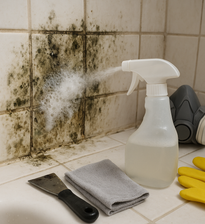
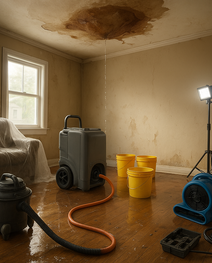
Water intrusion represents another serious concern. Even minor roof leaks can foster mold and mildew growth within wall cavities and attic spaces. For someone with ALS whose respiratory function may already be compromised, exposure to mold spores can trigger breathing difficulties and other health complications. The immune system of someone with ALS may not respond as effectively to environmental irritants.
Additionally, many ALS patients spend extended periods in bed or in stationary positions within the home. This means they’re exposed to indoor air quality and environmental conditions for longer durations than the average person. A roof that fails to protect against the elements compromises the sanctuary that home should represent during this difficult time.
Beyond the health considerations, the roofing project itself requires careful handling. Traditional roofing projects involve significant noise, vibration, and activity that can be deeply unsettling for someone with ALS. The constant hammering, equipment operation, and presence of workers creates stress and makes rest nearly impossible. Professional roofing contractors experienced with special-needs households can develop installation schedules that accommodate medical appointments, therapy sessions, and necessary rest periods.
Communication becomes paramount. Families need advance notice about particularly noisy phases of the roofing work. Some contractors can concentrate the loudest work into compressed timeframes, giving the household predictability and control over their daily routine.
While quality should never be compromised, roofing projects for homes with disabled residents benefit from efficient completion schedules. Extended construction periods mean prolonged stress, disrupted routines, and increased risk of weather-related complications. Experienced contractors can deploy adequate crew sizes and coordinate material deliveries to keep projects moving forward without unnecessary delays.
The goal is completing the roofing work properly while respecting that every additional day represents another day of difficulty for the family inside.
Construction sites inherently involve hazards, but when someone with mobility limitations lives in the home, safety considerations intensify. Clear pathways must remain accessible at all times. Equipment, materials, and debris need secure staging areas away from entrances and exits. Contractors should maintain constant awareness that a resident with limited mobility may not be able to quickly avoid hazards or navigate around obstacles.
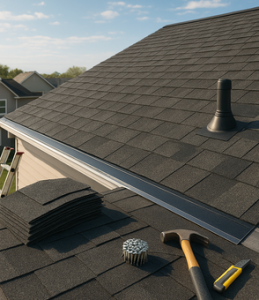
Beyond how the roofing work gets done, the materials themselves make a real difference. When replacing or installing a roof for a home with an ALS patient, insulation quality deserves special attention. High-performance insulation helps maintain consistent indoor temperatures, reducing the burden on HVAC systems and creating more stable conditions for someone whose body struggles with temperature regulation.
Proper attic ventilation works in concert with insulation to prevent moisture accumulation, ice damming in winter, and excessive heat buildup in summer. These factors directly influence indoor comfort and air quality throughout the living spaces below.
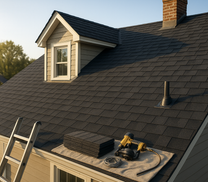
Families coping with ALS face enough uncertainty without worrying about roof failures. Investing in high-quality, impact-resistant roofing materials provides long-term peace of mind. Architectural shingles with extended warranties, metal roofing systems, or other durable options reduce the likelihood of premature replacement and the disruption that would entail.
The goal is installing a roof that will reliably protect the household for decades, eliminating this concern from the family’s list of worries.
Advanced underlayment materials, properly installed roof flashing around chimneys and vents, and quality ice-and-water barriers represent worthwhile investments for any home, but they’re especially valuable when a vulnerable individual depends on the structure’s integrity. These components create multiple layers of protection against water intrusion, even if the outer roofing material sustains damage.
The financial burden of ALS extends far beyond medical expenses. Home modifications, equipment, and care costs accumulate rapidly, making major projects like roof replacement seem overwhelming. However, several resources may help families in this situation manage these necessary investments.
Some home modification grants specifically address accessibility improvements for people with disabilities. While these programs typically focus on interior modifications, some may extend to structural improvements that support health and safety. The ALS Association and local New Jersey disability advocacy organizations can provide information about available assistance programs.
Home equity lines of credit, specialized medical expense loans, and payment plans offered by contractors represent additional options. Some roofing companies work with families to structure payment schedules that ease immediate financial pressure while ensuring the work gets completed.
Tax deductions for medical expenses may apply to home modifications necessitated by a disability. Consulting with a tax professional about which improvements qualify can help offset costs during tax season.
Not every roofing contractor possesses the sensitivity, flexibility, and experience necessary to work effectively with families facing ALS. When evaluating potential partners, consider these factors:
Communication style: Do they listen carefully to your concerns? Do they ask questions about your specific household needs? Are they patient in explaining options and processes?
Flexibility: Are they willing to adjust schedules around medical needs? Can they accommodate special requests regarding noise levels, work hours, or access considerations?
Experience: Have they worked with families dealing with serious illnesses or disabilities before? Do they understand the unique challenges these situations present?
Credentials: Are they properly licensed and insured in New Jersey? Do they offer warranties on both materials and workmanship? Working with contractors who follow standards established by organizations like the American National Standards Institute and are members of professional associations such as the NAHB can provide additional assurance of quality and professionalism.
References: Can they provide references from previous clients, particularly those with special circumstances?
While addressing roofing needs, families should consider how this project fits into broader home accessibility planning. Coordinating multiple improvements can sometimes yield cost efficiencies and reduce overall disruption.
If roof replacement requires scaffolding or lift equipment, this might present an opportunity to address exterior siding issues, gutter replacements, or window upgrades simultaneously. Comprehensive planning helps families make the most of construction periods while minimizing the number of separate projects.
Living with ALS requires remarkable courage from both patients and their families. Every decision about home modifications carries emotional weight alongside practical considerations. A roof replacement represents a significant investment and a substantial disruption, but it’s also an investment in safety, comfort, and peace of mind during a profoundly challenging time.
These families deserve roofing professionals who recognize that they’re not just working on a structure—they’re helping to maintain a sanctuary where someone is fighting a difficult battle. The right contractor approaches this work with the seriousness, sensitivity, and skill it demands.
By prioritizing roof integrity, families create one less source of worry and one more element of stability in an uncertain time. A sound roof overhead represents protection, security, and the commitment to maintaining the highest possible quality of life for someone facing ALS. That’s not just construction work—it’s an act of care that supports both the patient and everyone who loves them through this journey.